|
LG Seeds' agronomists share top 10 corn seed questions - The answers can help growers get the right seed on the right acre
Westfield, Indiana, USA
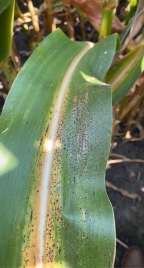
Growers ask their agronomists a lot of questions about corn seed — and that’s a good thing. Getting seed placement right requires the discussion of many factors — from soil types to yield goals to management styles. Working through those questions and drawing on agronomists’ extensive product knowledge can make a big difference in profitability. The most important question, according to LG Seeds Agronomist Steve Crafton, is how to optimize seed placement field by field. “Getting the right seed on the right acre can add bushels,” he says. Answering the following questions can help growers place seed right. 1. What are your yield goals for a field? “Knowing a grower’s yield goals and expectations for each field helps us get a better idea what seed will best fit that piece of ground,” Irlbeck explains. 2. What’s your management style? “We have products well suited for either end of the spectrum and everywhere in between,” Irlbeck says. “Aligning those choices to a grower’s management style is important.” 3. What’s your soil type? 4. Have you thought about populations? 5. What disease tolerances do you need? “The first line of defense for tar spot is a tolerant corn seed like LG58C73 or LG59C72,” Irlbeck says. “We have great tar spot options throughout our lineup.” Tar spot, northern corn leaf blight and gray leaf spot top Crafton’s list of concerns for Illinois. Growers should take a proactive approach to these diseases, taking stock of their threats and incorporating disease ratings in seed choices. 6. What pest protections do you need? Determining the best corn seed solution for corn rootworm requires digging a little deeper, looking into what crop rotation growers have used and the level of pressure, Irlbeck says. 7. Are weed issues likely? 8. What maturities do you plan to use? “We simply can’t harvest everything at the same time. Planting a mix of maturities spreads your risk and allows you to capture more bushels,” Crafton says. “I like a four- to five-day spread in maturities. It lengthens that pollination window out and helps at harvest.” Logistics also come into play. Irlbeck points out a grower will likely plant something different in a high-fertility field located right next to the grain dryer versus one that’s 20 miles away that will largely dry down in the field before being trucked to the elevator. 9. Is it proven? LG Seeds’ pre-commercial research (PCR) trials provide that with an extra year or two of testing. That gives growers the confidence to incorporate some of those new products. 10. How does LG Seeds compare? To make that happen, LG Seeds agronomists meet with growers throughout the year to understand their unique needs and goals so they can capture the most bushels possible from each acre. Reach out to your local LG Seeds agronomist to optimize your seed plans.
ABOUT LG SEEDS ABOUT AGRELIANT GENETICS
More solutions from: Website: http://www.agreliantgenetics.com Published: February 18, 2025 |
|
|||||
|
|